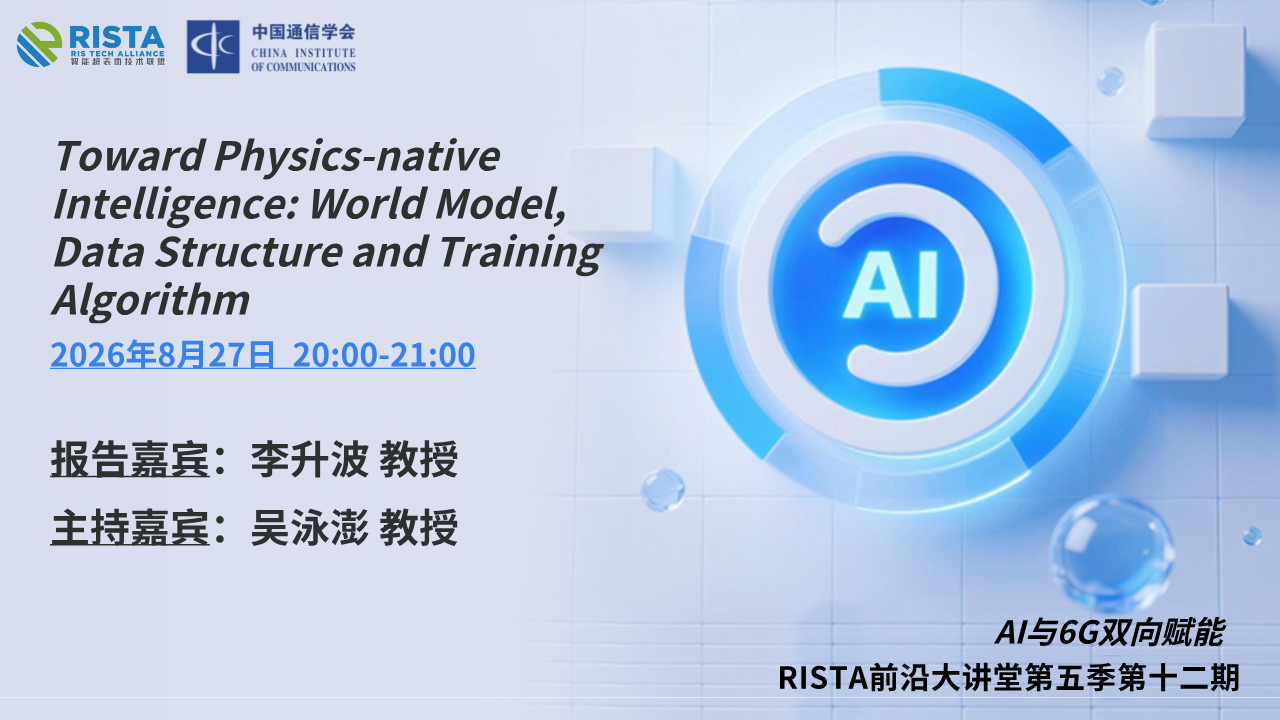
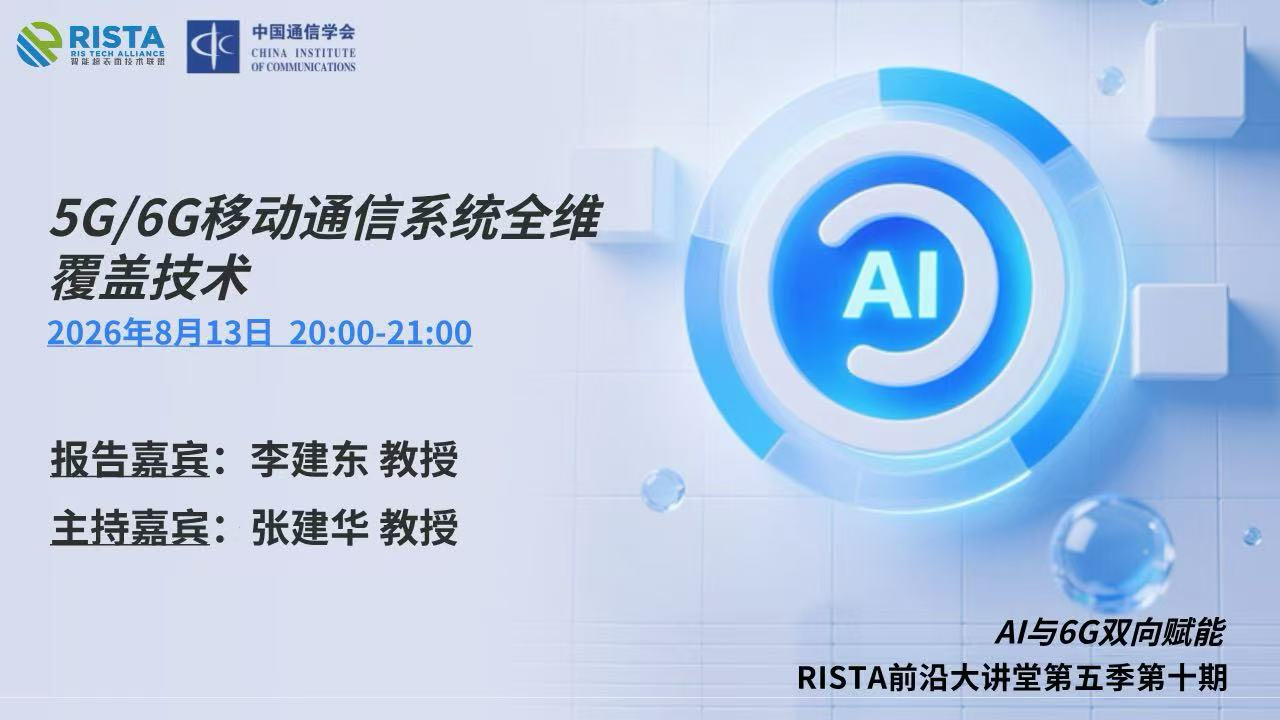
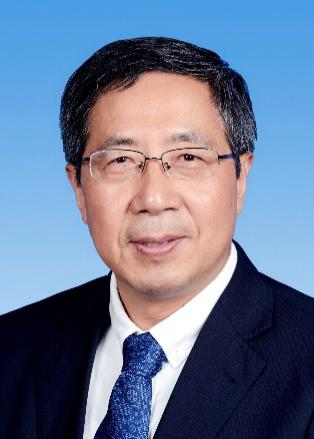
Jiandong Li received his Ph.D. degree from Xidian University in 1990. He is currently a Professor at Xidian University, the Executive Director of the Information and Communication Engineering Division, and the Chief Scientist of the State Key Laboratory of Integrated Space-air-ground Services Networks He is an IEEE Fellow, a Fellow of the China Institute of Electronics (CIE), and a Fellow of the China Communications Society (CCS). He also serves as the Chair of the IEEE Communications Society (ComSoc) Xi’an Chapter. His distinguished honors include being a recipient of the National Science Fund for Distinguished Young Scholars and a Changjiang Scholar Distinguished Professor appointed by the Ministry of Education. Currently, he serves as the Vice Director of the Academic Committee at Xidian University and as an expert on the General Expert Group for the National Major Science and Technology Program for New Generation Broadband Wireless Mobile Communication Networks. Previously, he served as the Director of the State Key Laboratory of Integrated Services Networks, the Chair of the IEEE Xi’an Section, the Vice President of Xidian University, and the Dean of the School of Telecommunications Engineering. He was a Visiting Professor at Cornell University, USA, from January 2002 to January 2003. He also served as a member of the 7th Information and Communication Engineering Discipline Appraisal Group under the State Council. His outstanding contributions have been recognized with 3 National Awards for Technological Invention and Scientific and Technological Progress, 15 provincial and ministerial-level science and technology awards, and 2 National Teaching Achievement Awards. Furthermore, he has served as the Principal Investigator for Major Projects of the National Key R&D Program and Key Projects of the National Natural Science Foundation of China (NSFC). Main Research Interests: Next-generation wireless mobile communications, intelligent self-organizing wireless network technologies, and space information networks.